Let me challenge your gender perceptions.
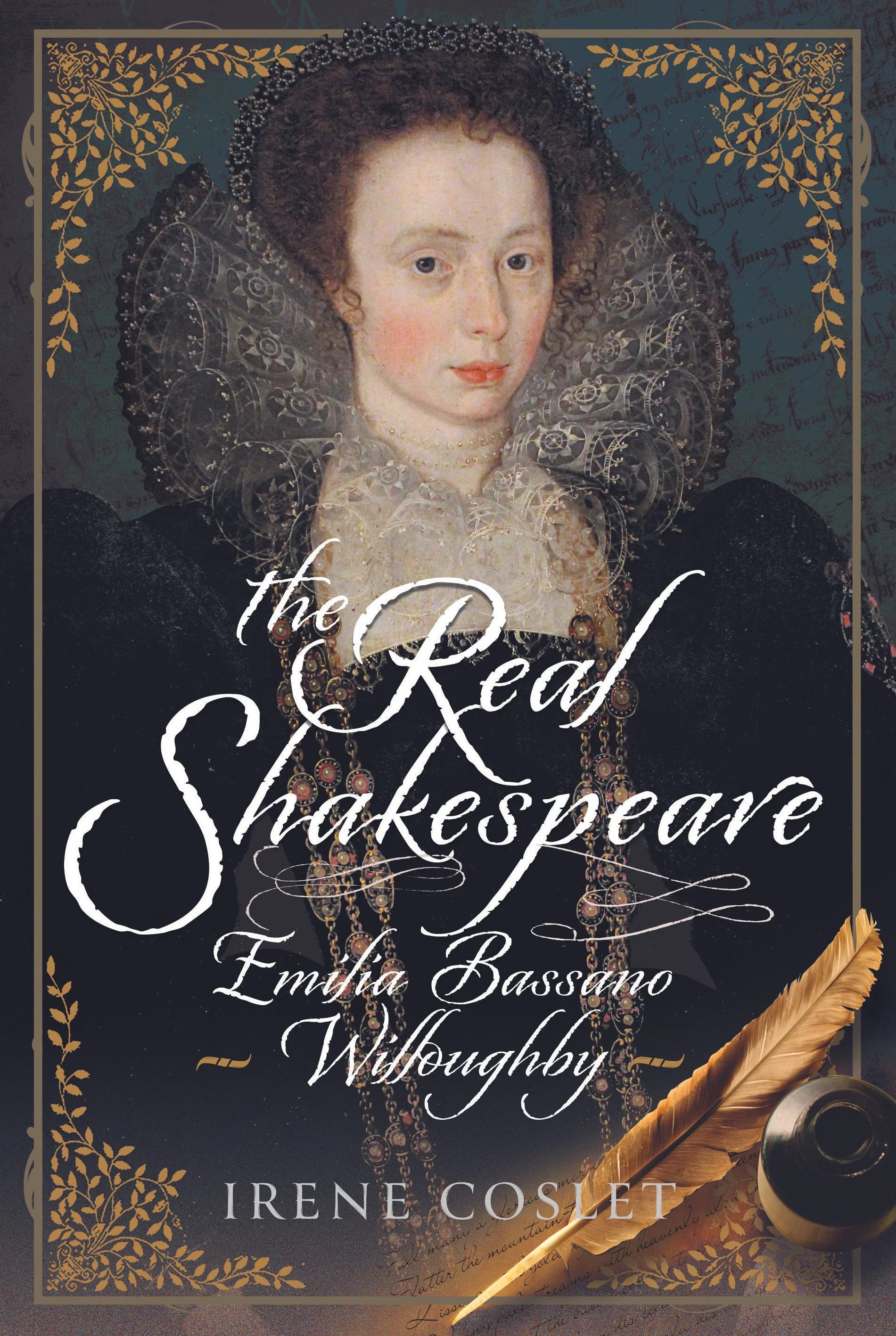
The Real Shakespeare: Emilia Bassano Willoughby
Was Shakespeare a black woman? Debate continues over the identity of the world’s most beloved poet. This book examines newly reconsidered evidence that may be understood as lending support to the view that the view that Shakespeare was a black woman, Anglo-Venetian and crypto-Jew, named Emilia Bassano. The material discussed contributes additional context to existing arguments and introduces a dimension of the issue that has received relatively limited attention to date.
Building on existing scholarship, the volume is not primarily concerned with authorship debate. Instead, it situates Emilia Bassano within a broader analytical and historical framework, using the issue at hand as a case study to examine the marginalisation or erasure of women, racial, and religious minorities from history. In doing so, it draws attention to contributions that have often been overlooked, minimised, or excluded from prevailing accounts. The book further suggests that it may be useful to reconsider the roles and significance of these identities.
The book adopts an interdisciplinary approach, with implications for gender studies, history, media, and literary criticism. From a feminist perspective, it offers a qualified argument that Shakespeare defended women, while also suggesting a way to organise Shakespeare’s thought into a coherent framework. Historically, it situates Emilia Bassano in her time, exploring her relationship with Queen Elizabeth. Within media studies, it analyses the theatre’s role as early political propaganda. In literary criticism, it further explores the possibility that the plays were autobiographical.
While recognising that a number of questions remain unresolved, the book aims to make a substantive contribution to ongoing debates in the field and to provide a foundation for further discussion and research. It invites readers to engage critically with the issue of Emilia Bassano.
“The new piece of research evidence presented in my book provides insight into the condition of women in the Early Modern period, indicating that many had to write in secrecy. It suggests the ways in which women’s voices were silenced and the lengths they took to preserve their work. In my book, I focus primarily on the historical context and the potential implications of this finding. It is important to emphasise that the evidence is not conclusive, and the identity of the bard may remain unknowable. Its significance lies in the perspective it offers rather than in providing definitive answers. I am also preparing a peer-reviewed article to present it to the academic community, as I am particularly interested in their feedback and interpretation. While I approached the evidence with caution and recognise that many questions remain, I believe it constitutes a meaningful contribution that can generate discussion and further enquiry.”
-Irene Coslet, 23 January 2026